
A DUI conviction can lead to license suspension, hefty fines, and jail time. The David J. Kramer Law Firm is committed to providing a strong defense for those accused of drunk or drugged driving. Our experienced DUI defense lawyer will explore every possible defense to protect your driving privileges and your future. Call 248-348-7400 for a free consultation today.
How to Challenge Breath Test Results in a DUI Case
When you’re charged with driving under the influence (DUI), the results of a breathalyzer test often play a pivotal role in the prosecution’s case. In Michigan, a breathalyzer test measures your blood alcohol content (BAC), and a BAC of 0.08% or higher is typically considered evidence of impairment. However, just because a breathalyzer test shows a BAC above the legal limit doesn’t necessarily mean you’ll be convicted of DUI. There are several ways to challenge breath test results in a DUI case, and understanding these strategies is crucial if you’re facing charges.
Breathalyzer tests, while commonly used and generally reliable, are not infallible. Many factors can influence the results, and an experienced DUI defense attorney will know how to investigate and challenge the accuracy of a breath test.
The Basics of Breathalyzer Testing
Breathalyzer tests are used by law enforcement to estimate a person’s BAC based on the amount of alcohol in their breath. The device measures the alcohol content in a breath sample and uses a chemical reaction to estimate BAC. These tests are generally quick and non-invasive, but they rely on a number of factors to provide an accurate result.
However, while breathalyzers are widely accepted, they are not perfect. Various issues can arise that affect the reliability of the results, including the type of equipment used, the handling of the sample, and even the condition of the person being tested. This is where your defense lawyer comes into play.
Challenging the Accuracy of the Breathalyzer Device
One of the first areas your lawyer will likely examine is the accuracy of the breathalyzer device itself. Breathalyzers are machines, and like all machines, they need regular maintenance, calibration, and proper use to function correctly. If any of these procedures were ignored, the test results could be inaccurate.
- Calibration Issues: Breathalyzers need to be calibrated regularly to ensure they provide accurate readings. If a breathalyzer has not been calibrated according to the manufacturer’s specifications or state regulations, the results could be invalid. A skilled DUI defense attorney will review the records to determine whether the device was correctly calibrated before your test.
- Device Malfunction: Like any other piece of equipment, breathalyzers can malfunction. If the machine was not working properly at the time of testing, the readings could be skewed. Your defense attorney will look for any history of malfunctions or repairs that might suggest the device wasn’t functioning correctly during your testing.
- Improper Use: Breathalyzers require proper operation by law enforcement officers. If the officer who administered the test did not follow the correct procedures, such as waiting a sufficient amount of time between tests or ensuring the machine was ready for use, this could impact the results. Challenging the way the test was administered is one of the first steps in defending against a DUI charge.
Health Issues or Medical Conditions Affecting Breathalyzer Results
Certain health conditions or medical factors can interfere with the accuracy of breathalyzer test results. If you have any medical issues, discussing them with your defense lawyer is important, as they may provide grounds for challenging the results.
- Dietary Factors: Consuming food, particularly certain foods like bread or dairy, shortly before taking a breath test can impact the results. Some foods can ferment in the stomach, producing alcohol that may cause a falsely high BAC reading. If you had recently eaten, your lawyer may argue that the test didn’t accurately reflect your BAC.
- Medical Conditions: Some medical conditions, such as acid reflux, diabetes, or GERD (gastroesophageal reflux disease), can affect the results of a breathalyzer test. Conditions like these cause alcohol or acetone to be present in the mouth, which could lead to a higher reading than what is actually present in your bloodstream. A defense lawyer may seek expert testimony to demonstrate that your medical condition impacted the accuracy of the test.
- Mouth Alcohol: If you have recently consumed alcohol, mouth alcohol can linger in your mouth and affect the breathalyzer reading. The machine measures the alcohol in your breath, and if there is residual alcohol in your mouth, it can result in a falsely high BAC reading. Officers are supposed to wait at least 15 minutes before administering a breath test to ensure that mouth alcohol has dissipated. However, if they don’t follow this procedure, it can lead to inaccurate results.
Improper Administration of the Breath Test
Another way to challenge breathalyzer results is to focus on the way the test was administered. Law enforcement officers must follow strict procedures when administering a breath test. The test results can be questioned if they fail to follow the protocol.
- The 15-Minute Observation Period: Officers are required to observe the individual being tested for at least 15 minutes before administering the breath test. This observation period ensures that the person does not consume any alcohol, belch, or regurgitate, all of which could alter the test results. If the officer fails to follow this procedure, the breath test results may be invalid.
- Failure to Read Miranda Rights: While Miranda rights are not directly related to breathalyzer tests, an officer’s failure to inform you of your rights before questioning can lead to complications in your case. If you were not properly advised of your rights, it may impact the admissibility of evidence, including breath test results.
- Lack of Proper Certification: Officers must be properly trained and certified to use a breathalyzer. If the officer who administered your breath test was not trained or certified to use the equipment, the results’ validity may be questioned.
Environmental Factors That Could Impact Results
Environmental factors, such as the temperature and humidity of the area where the test was conducted, can also affect the results of a breathalyzer test. These factors are often overlooked but can play a significant role in the accuracy of the test.
Breathalyzer devices are designed to operate within a specific temperature range, and the results could be compromised if the environment is too hot or cold. Similarly, high humidity levels can also impact the readings. If your defense lawyer can demonstrate that environmental conditions were not ideal, this may provide grounds for challenging the results.
The Reliability of Blood and Urine Tests
In some cases, law enforcement may also administer a blood or urine test in addition to the breathalyzer. Blood and urine tests are generally considered more reliable than breath tests, but they still have their own limitations. Blood tests, for example, require proper handling and storage to avoid contamination, and a mistake in the chain of custody could lead to the test results being challenged.
If there is conflicting evidence between a breathalyzer test and a blood or urine test, your defense lawyer may argue that the breath test results should be discounted in favor of the other test.
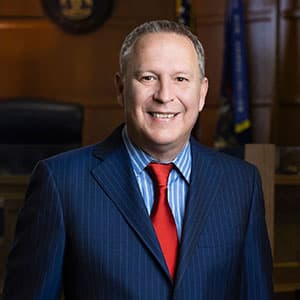
DUI Defense Lawyer
Milford DUI Defense Attorney: Fighting for Your Future
Challenging the breathalyzer results in a DUI case is not always easy, but it is possible. An experienced criminal defense attorney will scrutinize every aspect of the breath test, from the machine’s calibration to the officer’s actions during the test. By investigating potential flaws or errors in the testing process, your lawyer may be able to weaken the prosecution’s case and increase your chances of a favorable outcome.
If you’re facing DUI charges in Michigan and believe that the breathalyzer results may be inaccurate, it’s important to consult with a qualified criminal defense lawyer. They can help you understand your options and build a strong defense strategy tailored to your specific case. At The David J. Kramer Law Firm, we understand the serious nature of these charges and are committed to helping you navigate the legal process.
Contact a trusted Milford, Michigan, DUI defense attorney at 248-348-7400 to start building your defense today.
