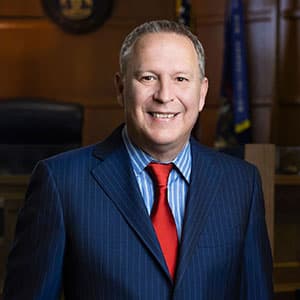
Being confronted with criminal charges in Milford, Michigan, can be unsettling, but you don’t have to go through it alone. The David J. Kramer Law Firm provides aggressive legal representation to protect your rights and future. Whether you’re dealing with a misdemeanor or felony, our experienced criminal defense lawyer is ready to fight for you.
Call 248-348-7400 today for a free consultation and start building your defense.
Understanding the Criminal Trial Process in Michigan
Facing criminal charges can be extremely intimidating, especially if you have never been through the legal system before. Knowing what to expect if your case goes to trial can help you prepare and reduce uncertainty. The process follows specific steps, and each phase is critical to the outcome of your case.
Preparing for Trial
Before the trial begins, your criminal defense attorney will spend time building your case. This may include gathering evidence, interviewing witnesses, and challenging the prosecution’s claims. You may also need to attend pretrial hearings, where the judge will address motions, evidence admissibility, and other legal matters.
Your attorney may negotiate with the prosecution to reduce charges or seek a plea agreement during this time. However, if a fair resolution is not possible, the case proceeds to trial.
Jury Selection Process
The first step is jury selection if you are facing a jury trial. This process, known as voir dire, allows both the prosecution and defense to question potential jurors. The goal is to ensure a fair and impartial jury.
Attorneys can challenge jurors for cause if there is a valid reason to believe they cannot be objective. Each side also has a limited number of peremptory challenges, which allow them to dismiss jurors without providing a specific reason. Once both sides agree on a jury, the trial begins.
Opening Statements
Once the jury is seated, the prosecution and defense present their opening statements. The prosecution goes first, outlining the charges and the evidence they plan to present. The defense follows, offering a preview of the arguments that will be used to challenge the prosecution’s case.
Opening statements are not evidence. They simply provide an overview of what each side intends to prove.
Presentation of Evidence and Witness Testimony
The prosecution presents its case first by calling witnesses and introducing evidence. Witnesses testify under oath and may include police officers, forensic experts, and others connected to the case. Your attorney has the right to cross-examine these witnesses, questioning their credibility and challenging inconsistencies in their statements.
After the prosecution finishes, the defense has an opportunity to present its case. This may involve calling witnesses, introducing evidence, or questioning the reliability of the prosecution’s claims. The defense is not required to present evidence, as the burden of proof lies with the prosecution.
Cross-Examination and Rebuttal
Cross-examination is a crucial part of the trial. It allows both sides to challenge witness statements and highlight weaknesses in the opposing argument.
After the defense presents its case, the prosecution may offer a rebuttal to counter any claims made by the defense. This is a final opportunity to strengthen their argument before closing statements.
Closing Arguments
Once both sides have presented their evidence, closing arguments begin. The prosecution and defense summarize their cases, emphasizing key points and urging the jury to reach a specific verdict.
Unlike opening statements, closing arguments are persuasive. Attorneys will attempt to influence the jury’s decision by highlighting the strongest aspects of their case and pointing out flaws in the opposing argument.
Jury Instructions and Deliberation
After closing arguments, the judge provides instructions to the jury. These instructions explain the legal standards they must apply when deciding the case.
The jury then enters deliberations, discussing the evidence and working toward a unanimous verdict. Depending on the case’s complexity, this process can take hours or even days. If the jury cannot agree, the judge may declare a hung jury, which can lead to a retrial.
The Verdict and Sentencing
Once the jury reaches a decision, they return to the courtroom to announce the verdict. If the defendant is found not guilty, they are free to leave, and the case is closed. If the jury finds the defendant guilty, the judge will schedule a sentencing hearing.
In some cases, sentencing occurs immediately, but more often, it takes place weeks later. During the sentencing hearing, the judge considers factors such as criminal history, the severity of the offense, and any mitigating circumstances before issuing a sentence.
What Happens After the Trial?
If convicted, you may have options for appeal. Your attorney can review the case to determine if legal errors occurred that could justify an appeal. If an appeal is successful, the conviction could be overturned, or a new trial may be ordered.
If acquitted, the case is over, and you do not face further penalties. However, if you were previously incarcerated, steps may be required to clear your record.
David J. Kramer
Milford Criminal Defense Attorney: Protecting Your Future
The criminal trial process is complex, and the outcome can have life-changing consequences. An experienced defense attorney can help you understand your rights, build a strong defense, and ensure that legal procedures are followed correctly. Having a knowledgeable attorney by your side is essential if you or a loved one is facing criminal charges in Michigan. Understanding the trial process is the first step in preparing for what lies ahead.
At The David J. Kramer Law Firm, we are committed to aggressively defending your rights and building a strong case. If you need an experienced criminal defense attorney in Milford, Michigan, who will fight for the best possible outcome, call us today at 248-348-7400 for a confidential consultation.
David Kramer was an excellent attorney! He did outstanding work on my son's case. He fought incredibly hard on our behalf, and his dedication, persistence, and commitment resulted in a very positive outcome. We cannot thank him enough for his efforts and support throughout the process. We are deeply appreciative of everything he did.
read moreread less
Carrie M.
This man went above & beyond even the most of basic expectations! Not only did he represent my ladies daughter; he refunded them? Like WTH man? That's incredible. Thank you ever-so-much! She couldn't believe you did that. You didn't have too! Best attorney in the area ... ever. Hands Down!
read moreread less
Steven M.
Dave was a great Attorney, easy to work with!
read moreread less
Brent T.
Excellent service with smooth and easy communication. Very professional and pleasant experience.
read moreread less
Nikhil A.
If you need a lawyer and do not call David you have made a mistake, this man deserves more then 5 stars, he absolutely knows his stuff and is very compassionate, competent, and professional from start to finish there is nobody better, I have had many lawyers in my life no need for a different one now this is the guy, thank you David for everything you did for my family I wish you nothing but the very best because that is what you are!
read moreread less
Adam B.
David Kramer is truly a lifesaver. David fought tirelessly to protect my family. He not only knew the law inside and out, but he also showed compassion, patience, and genuine care during one of the most difficult times in our lives. He explained every step clearly, kept me informed, and made sure we always felt supported. Thanks to his dedication and skill, my family and I are safe and secure today. I will be forever grateful for his help and would recommend him to anyone in need of a strong, trustworthy attorney.
read moreread less
Courtney B.
I am so pleased with the service provided by Mr. Kramer and his team. David got the job done for me! After 15 years, he was able to get my driver's license back fully reinstated with no restrictions. He was worth every penny I spent! I can not express how much I appreciate his hard work and correct directions in pushing me forward to achieve this goal for myself. God bless Mr. Kramer and his team. They do a fantastic job. Thank You
read moreread less
Wendy S.
David Kramer is an outstanding attorney who truly goes above and beyond for his clients. When my spouse tried to take everything from me, David fought hard to protect my rights and made sure I received my fair share. He was professional, knowledgeable, and compassionate throughout the entire process. I’m so grateful for his dedication and expertise, and I highly recommend him to anyone who needs a strong advocate on their side.
read moreread less
John S.
⭐ David Kramer – 5 Stars
I recently had the rare privilege of being represented by David J. Kramer, a legal mastermind whose reputation as a litigating god among mortals truly precedes him! Although he no longer takes on most family law matters, David made an exception in our case—which my wife, our family, and I are incredibly grateful for.
From the outset, David treated our situation with a level of respect, fairness, and care that's rarely found even among the closest of friends—let alone in legal counsel. He brought clarity to chaos, strategy to uncertainty. And when he identified an opportunity to strengthen our position, he immediately and personally brought in another seasoned attorney to ensure the best possible outcome.
That level of investment—financially and professionally—is something I’ve never seen from most people, and certainly never expected from my attorney.
Behind the scenes, someone very close to me helped bring this all together. Her network, encouragement, strength, insight, and hidden sacrifice made it possible to build the legal team that ultimately helped secure the result we’d been fighting for.
Thanks in no small part to David’s integrity, connections, reputation, and courtroom presence, we resolved a years-long conflict with a resounding win in a way that truly serves the best interest of my child—and did so with remarkable efficiency. He has my respect, undying friendship, and highest recommendation.
read moreread less
Josh L.
Let me tell you, this guy gets it done. Well worth the price! He sits down, consults, and sets the tone in court.
read moreread less
Andrew T.
I was being maliciously accused of aggravated domestic violence from my ex who lied about a serious injury she sustained while she was highly intoxicated. Kramer was extremely professional, dominated in the trial and got the case completely dismissed. He saved me from being falsely accused and I would recommend him to anyone needing help in what has been one of the most trying and devastating times in my life. I couldn't thank him or recommend him enough. Thank you David.
read moreread less
Michael L.
I was being maliciously accused of aggravated domestic violence from my ex who lied about a serious injury she sustained while she was highly intoxicated. Kramer was extremely professional, dominated in the trial and got the case completely dismissed. He saved me from being falsely accused and I would recommend him to anyone needing help in what has been one of the most trying and devastating times in my life. I couldn't thank him or recommend him enough. Thank you David.
read moreread less
Niko B.
Dave is nothing short of a magician when it comes to legal work. From the very beginning, he followed through on every promise he made. He gave me the best advice at every step and also negotiated my charges down to a very minor infraction — something I didn’t think was even possible.
His deep connections with judges and city attorneys were clearly evident, and it played a major role in the outcome of my case.
Hiring him was one of the best decisions I’ve made.
read moreread less
vikram s.
David’s expertise is above and beyond. He made everything very simple and gave peace of mind with his certainty. 10/10 recommend using David for his services
read moreread less
Matthew D.
Highly recommend Mr. Kramer. He was extraordinarily knowledgeable and responsive when helping me deal with a matter.
read moreread less
Garrett C.
I was extremely impressed with David Kramers expertise and professionalism. He is a good advocate to get the job done! He is very responsive and always answers calls and updates quickly.
read moreread less
Natalie P.
I hired David to represent me on two separate occasions in the past decade. I was very pleased with his efforts and the results on both occasions. He was able to ease my anxiety and worries over the situation and come up with a plan of action. He did everything exactly as he said he would and I could not have been happier with the result. Thanks again
read moreread less
David H.
Mr. Kramer was an amazing attorney for my husband. My husband was wrong accused and Mr. Kramer got the case dismissed. Thank you very much 🙏 We appreciate you and all the hard work you've done. I would recommend him to anyone who wants an honest attorney and an attorney thats work his butt off to make sure justice is done. Mr. Kramer works with us with prices as well, he is very affordable.
read moreread less
Robin H.
Very responsive. Keeps you in the loop as your case moves forward. Highly recommended. He really listen to me! He has the experience and knowledge that it will take to get the best positive outcome.
read moreread less
Jamie M.
I retained David Kramer for a CSC 3rd degree case. David Kramer was beyond in-depth when seeking to understand my situation. When was detained, he worked and got me a personal bond in which most cases don't happen. I was super grateful. He partnered with a colleague, Deanna Kelley, on my case. David and Deanna are the perfect duo. They're super detailed, and they both worked very, very hard. I was facing a 5-15 year prison sentence, but my case ended in an acquittal! They thoroughly exceeded my expectations and would definitely recommend his legal services for anyone that need it!! David, Deanna, my family, and I are more like family now!